Get Ground Hydrant Installation
Ground hydrant installation services help property owners ensure reliable fire protection by connecting to municipal water sources through skilled local contractors for various site projects.
Ground hydrant installation is an essential service for property owners seeking reliable access to water in emergency situations, fire protection, or irrigation needs. If you are considering adding a ground hydrant to your property, it’s important to explore your options carefully. Local contractors specializing in this work can provide the expertise needed to plan and execute a system that fits the unique requirements of your property, whether it's a residential, commercial, or agricultural site.
Comparing different service providers in your area can help ensure you find the right solution for your property’s water access needs. By reviewing local pros, property owners can gather information about the services available and make informed decisions about the best approach to installation. Continuing to explore your options will help you identify experienced contractors capable of handling your project efficiently and effectively.
- Ground Hydrant Installation - needed for establishing reliable water access in new construction sites.
- Fire Protection System Setup - required when upgrading or installing fire suppression infrastructure for commercial properties.
- Emergency Water Supply Installation - important for facilities that need a backup water source during outages or emergencies.
- Industrial Facility Hydrant Setup - necessary for factories and warehouses that require accessible fire suppression points.
- Municipal Water Infrastructure - essential for local governments upgrading or expanding community fire safety systems.
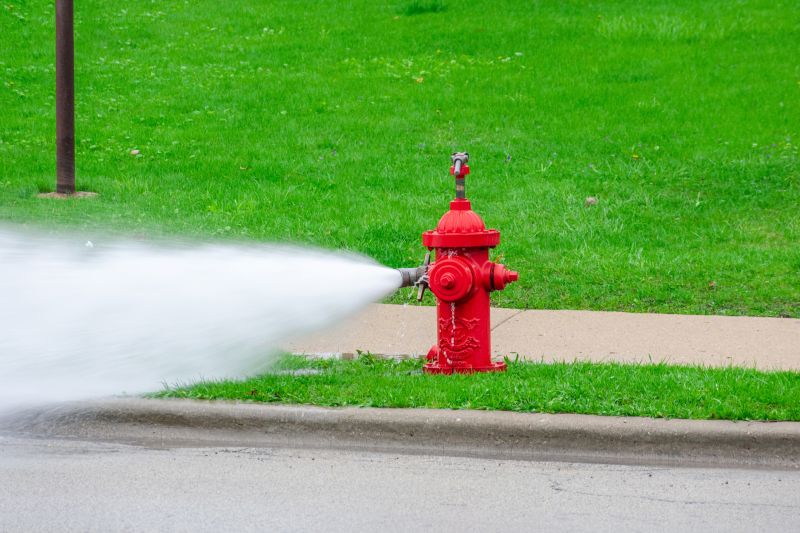
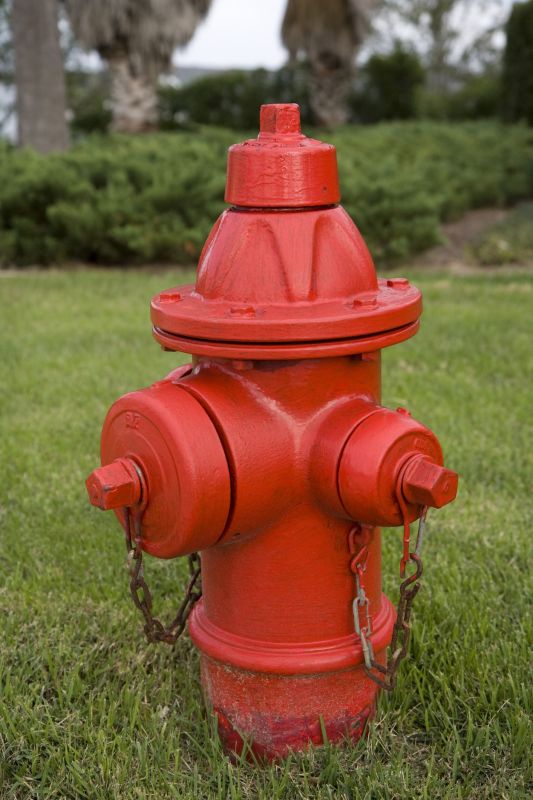
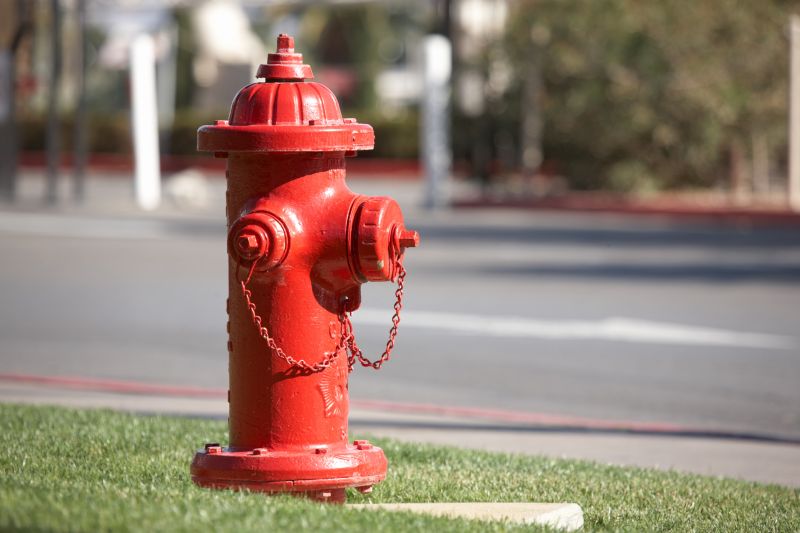
Ground hydrant installation involves setting up a specialized outdoor water source that provides reliable access to water for various needs. Typically, this service includes digging a trench to install the hydrant, connecting it to the existing water supply line, and ensuring it is properly sealed and functional. The process may also involve installing a valve system to control water flow and testing the hydrant to confirm it operates correctly. This type of installation is designed to create a durable, accessible water point that can withstand outdoor conditions and provide long-term service.
This service helps address common problems such as inadequate outdoor water access, especially in properties where existing faucets or hoses are insufficient for tasks like irrigation, landscaping, or cleaning large equipment. Ground hydrants are particularly useful in areas with large yards, farms, or commercial landscapes where frequent, reliable water access is essential. They also help prevent issues related to frozen or broken outdoor faucets by providing a protected and more durable water source that can be used year-round in colder climates.
Properties that typically utilize ground hydrant installation include residential homes with expansive lawns or gardens, agricultural properties, and commercial sites that require consistent outdoor water access. Farms often rely on ground hydrants for irrigation and livestock needs, while large residential properties benefit from easy watering options without the wear and tear on garden hoses. Commercial properties, such as landscaping companies or maintenance yards, also find ground hydrants valuable for efficient outdoor water management.
Homeowners who experience difficulties with their current outdoor water sources or who need a more robust and permanent solution may find ground hydrant installation to be a practical choice. If existing outdoor faucets are prone to freezing, leak frequently, or do not supply enough water, a ground hydrant can provide a reliable upgrade. Additionally, properties that require frequent watering or outdoor cleaning can benefit from the convenience and durability of a professionally installed ground hydrant, making outdoor tasks easier and more efficient.
The overview below groups typical Ground Hydrant Installation projects into broad ranges so you can see how smaller, mid-sized, and larger jobs often compare in your area.
In many markets, a large share of routine jobs stays in the lower and middle ranges, while only a smaller percentage of projects moves into the highest bands when the work is more complex or site conditions are harder than average.
Smaller Repairs - Typical costs for routine ground hydrant repairs or minor replacements generally range from $250 to $600. Many projects fall within this middle tier, covering common maintenance tasks and minor component replacements.
Partial Replacement - When replacing parts of a ground hydrant or upgrading specific sections, local contractors often charge between $600 and $1,500. Larger, more involved partial replacements tend to push costs toward the higher end of this range.
Full Installation - Installing a new ground hydrant from scratch usually costs between $1,500 and $3,500 depending on site conditions and project complexity. Many full installations fall into this range, with fewer projects reaching higher costs.
Complete System Replacement - For extensive upgrades or replacing an entire ground hydrant system, costs can range from $3,500 to $5,000 or more. Such larger, complex projects are less common but may be necessary for older or heavily damaged systems.
Actual totals will depend on details like access to the work area, the scope of the project, and the materials selected, so use these as general starting points rather than exact figures.
Fire suppression system installation - involves planning and installing underground piping and hydrants, similar to ground hydrant setups for reliable emergency access.
Underground sprinkler system installation - requires trenching, piping, and precise placement, paralleling the skills used in ground hydrant installation projects.
Stormwater drainage system construction - includes designing and installing underground drainage infrastructure, sharing planning and excavation techniques with hydrant installation.
Water main installation and repair - involves handling underground piping and understanding water flow, which aligns with the technical aspects of ground hydrant setup.
Utility trenching and conduit installation - requires excavation and precise placement of underground utilities, similar to the groundwork for hydrant systems.
Fire line piping and valve installation - focuses on underground piping networks for fire safety, closely related to the skills needed for ground hydrant projects.
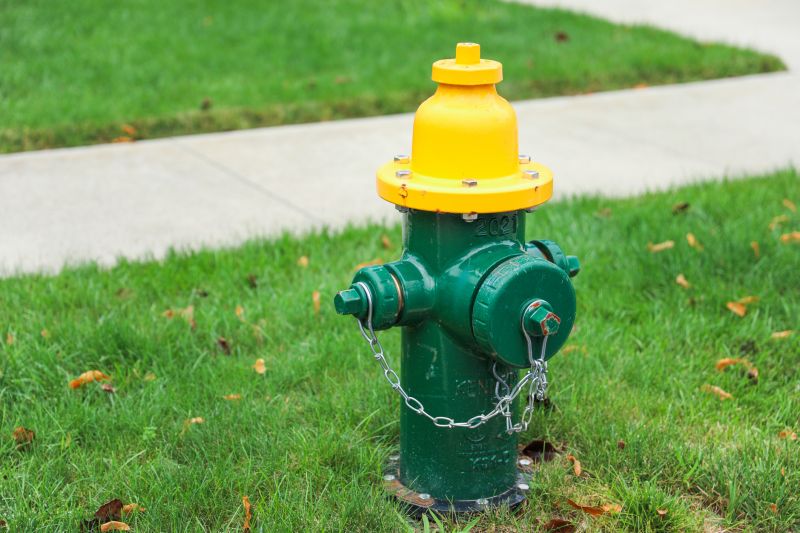
When comparing service providers for ground hydrant installation, it’s important to consider their experience with similar projects. Homeowners should look for local contractors who have a proven track record of successfully completing ground hydrant installations in environments comparable to their own. An experienced professional will understand the nuances of different property types and soil conditions, which can influence the quality and longevity of the installation. Reviewing a contractor’s portfolio or asking for examples of past work can provide insight into their familiarity with projects like yours, helping to ensure the chosen provider has the relevant expertise.
Clear, written expectations are essential when evaluating potential service providers. Homeowners should seek detailed proposals that outline the scope of work, materials to be used, and any specific responsibilities or steps involved in the installation process. Having these expectations documented helps prevent misunderstandings and provides a basis for comparing different contractors. It’s also beneficial to clarify how questions or concerns will be addressed throughout the project, ensuring open communication from the outset.
Good communication and reputable references are key indicators of reliable local contractors. Homeowners are encouraged to ask for references from previous clients who had similar work done and to follow up with those references to learn about their experiences. A contractor’s responsiveness, clarity in explaining the process, and willingness to answer questions can reveal much about their professionalism and customer service approach. Remember, this site introduces homeowners to local options for ground hydrant installation; it does not perform the work itself. Taking the time to assess experience, expectations, and communication can help identify the best local service providers for the project.
Property owners use Ground Hydrant Installation services for practical projects around their homes and businesses. This guide focuses on everyday jobs and straightforward project options.
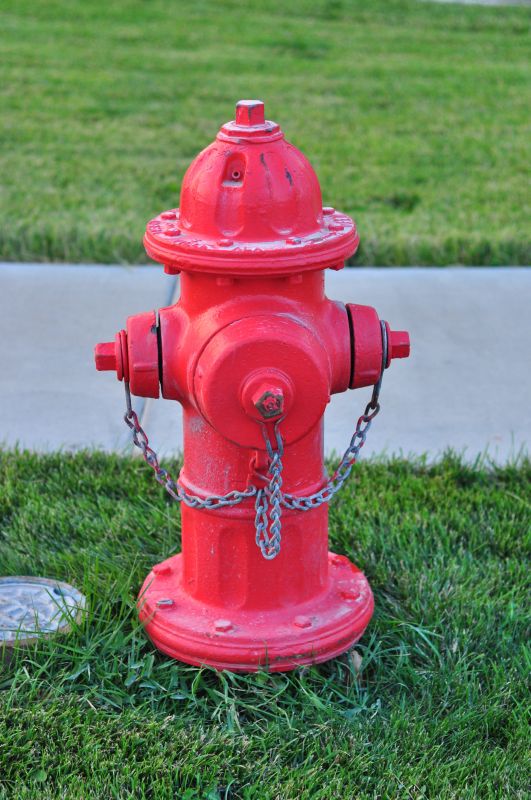
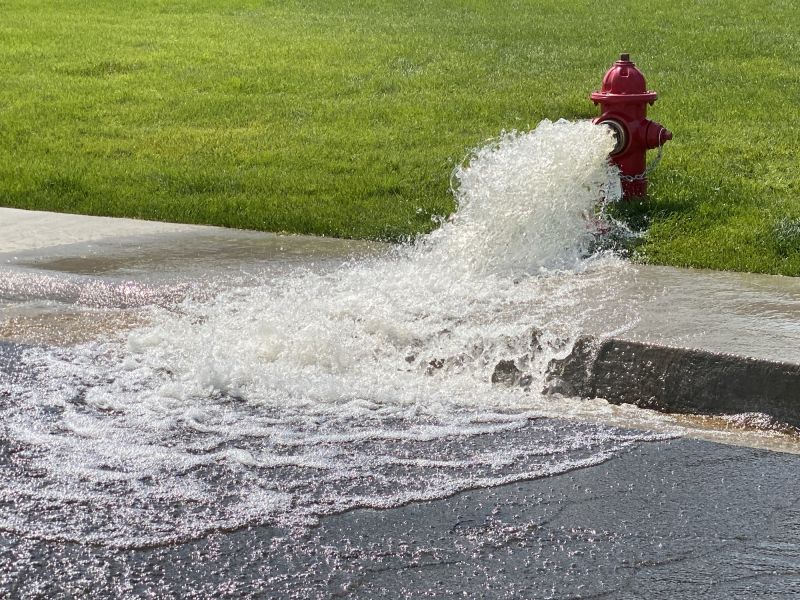
Ground hydrant installation is often needed in areas where fire safety infrastructure is essential for property protection, such as commercial sites, industrial facilities, or large residential complexes. Property owners may seek local contractors to ensure that reliable water sources are available for firefighting efforts, especially in locations where existing systems are outdated or insufficient. These projects can also arise from new construction or property upgrades, requiring professional installation to meet safety standards and local regulations.
Many property owners look for local service providers to handle ground hydrant installation because of the importance of quick and efficient work, particularly in emergency preparedness. Whether installing new hydrants or replacing aging units, local contractors can provide the expertise needed to ensure proper setup and functionality. Connecting with experienced professionals helps property owners maintain safety and compliance, giving peace of mind that their fire protection systems are ready when needed.
What is ground hydrant installation? Ground hydrant installation involves setting up underground water access points that provide convenient outdoor fire protection and water access for maintenance or irrigation needs.
Who can install a ground hydrant? Local contractors experienced in outdoor water systems can handle ground hydrant installation, ensuring proper setup and functionality.
What types of ground hydrants are available? There are various types of ground hydrants, including frost-proof and standard models, suitable for different outdoor water access requirements.
Where are ground hydrants typically installed? Ground hydrants are commonly installed in commercial properties, parks, farms, and residential landscapes to provide easy outdoor water access.
How do I find a professional for ground hydrant installation? You can contact local service providers who specialize in outdoor water system installations to compare options and connect with experienced contractors.
Emergency Fire Suppression - Property owners can install ground hydrants to ensure quick access for firefighting efforts during emergencies.
Fire Safety Planning - Ground hydrants can be integrated into property safety plans to provide reliable water sources for fire prevention.
Property Maintenance - Installing ground hydrants can support ongoing landscape irrigation and maintenance needs around a property.
Community Fire Protection - Local contractors can set up ground hydrants to enhance fire safety measures for residential or commercial areas.
If you are thinking about Ground Hydrant Installation for a property, this guide is meant to help you understand the work, the typical project types, and how different options might fit your plans.
When you are ready, you can use the quote form on this page to share a few details about your project. From there, local pros can review the basics and respond with options that match what you have in mind.